The Force Velocity curve serves as a visual representation, comparing the inverse relationship between force & velocity. One might ask, why do we care so much about the two to create a comparison? Force & velocity are constantly displayed within sport; regardless of which sport we are looking at. Let’s take a peak below at this relationship.
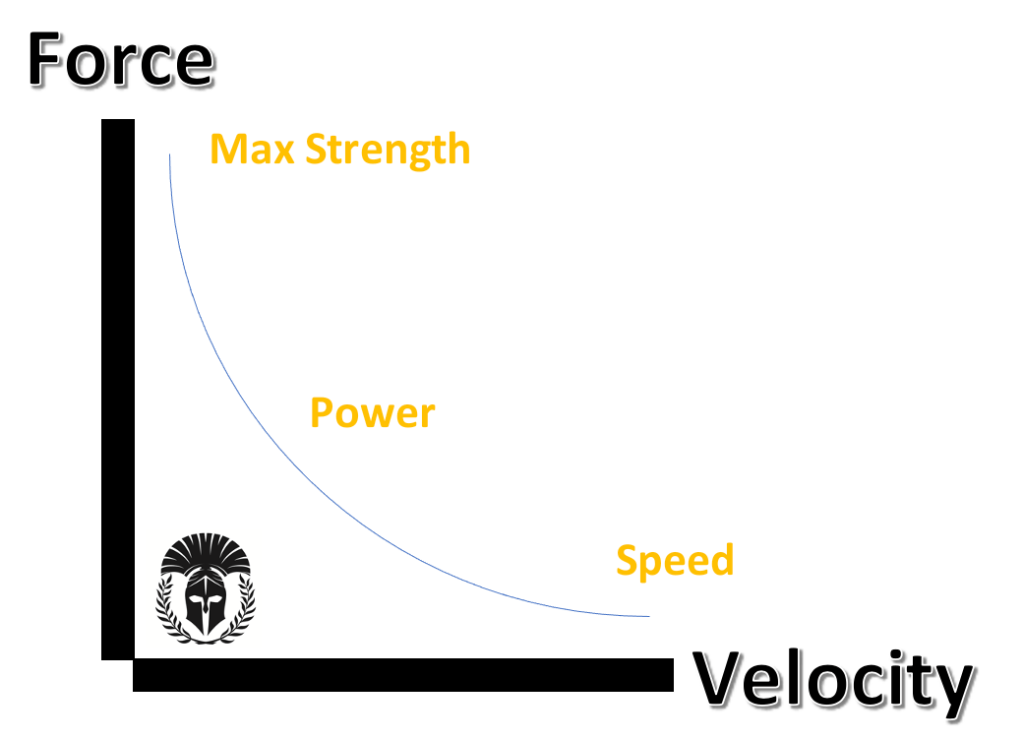
The Force Velocity Curve is actually quite simple once you become familiar with it. Essentially, when force increases, velocity decreases, and when force decreases, velocity increases. How do we see this in sport?
Force: Powerlifting & Strongman
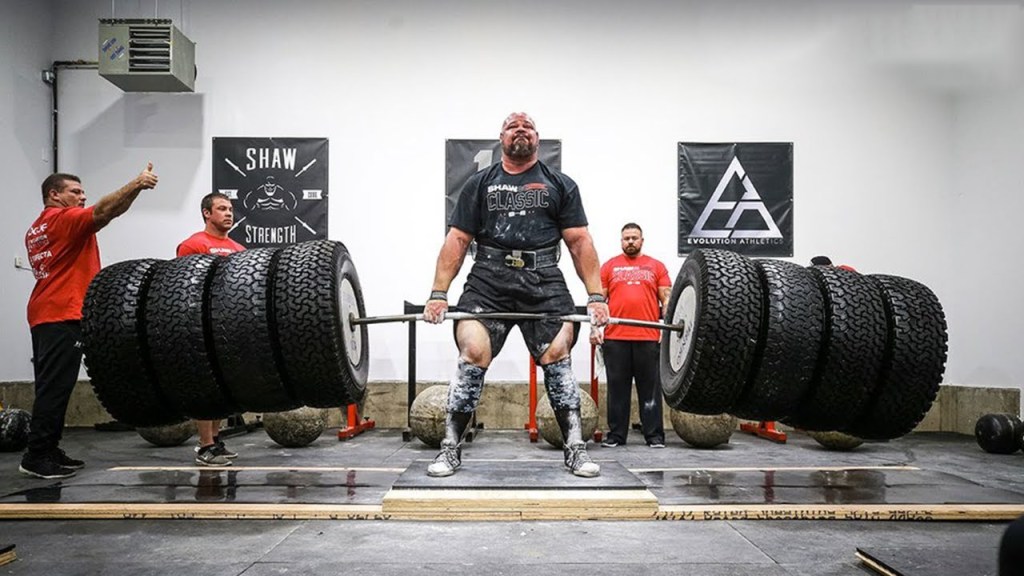
Powerlifting & Strongman are at the foundation of Force application & Maximal Strength. It’s funny because in the name Powerlifting, one would think that it lives in the middle of the Force Velocity Curve, but it doesn’t. The speed at which any athlete moves a maximal weight is very very slow; because it is at, or near their 1 rep max. Another way to think of it is like this…However much weight is being lifted; the person lifting it must exert that same amount and then some to move it through space. So if you want a 500 pound deadlift max, you better be able to put more than 500 pounds of force into the ground to get that weight moving. If you weigh 300lbs, that will be much easier than if you were to weigh 180lbs.
Power: Olympic Lifting
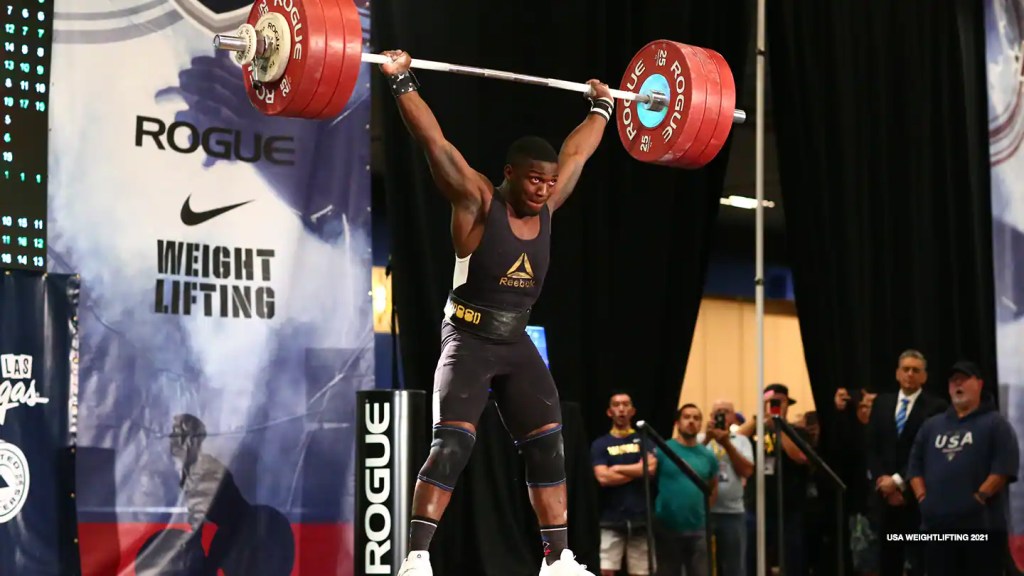
Olympic lifting requires incredible levels of both strength & power. The absolute weight being lifted here isn’t nearly as high to that of which we would see in Powerlifting or Strongman; but it’s still quite a significant amount. Another way to think of this in terms of the Force Velocity Curve is that as we drift away from maximal or absolute strength, the ability to acceleration or move the weight at greater speeds increases. Remember, 1 rep max work is very slow and thus lives on the Force side of the curve. Our power work will be in the middle of absolute force & absolute velocity; so we are working with moderate force & moderate velocity.
Speed: Sprints
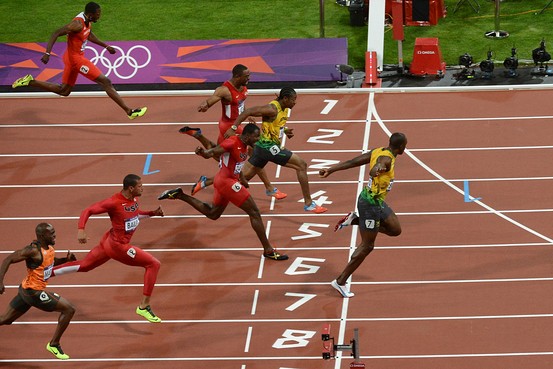
Our final example; Sprints, live on the velocity end of the Force Velocity Curve. Very little force is required for this because at the end of the day, we are just overcoming our own body weight. We don’t have to overcome a 500 pound deadlift or 300 pound snatch; it’s just us vs the ground.
Application to Athletic Development
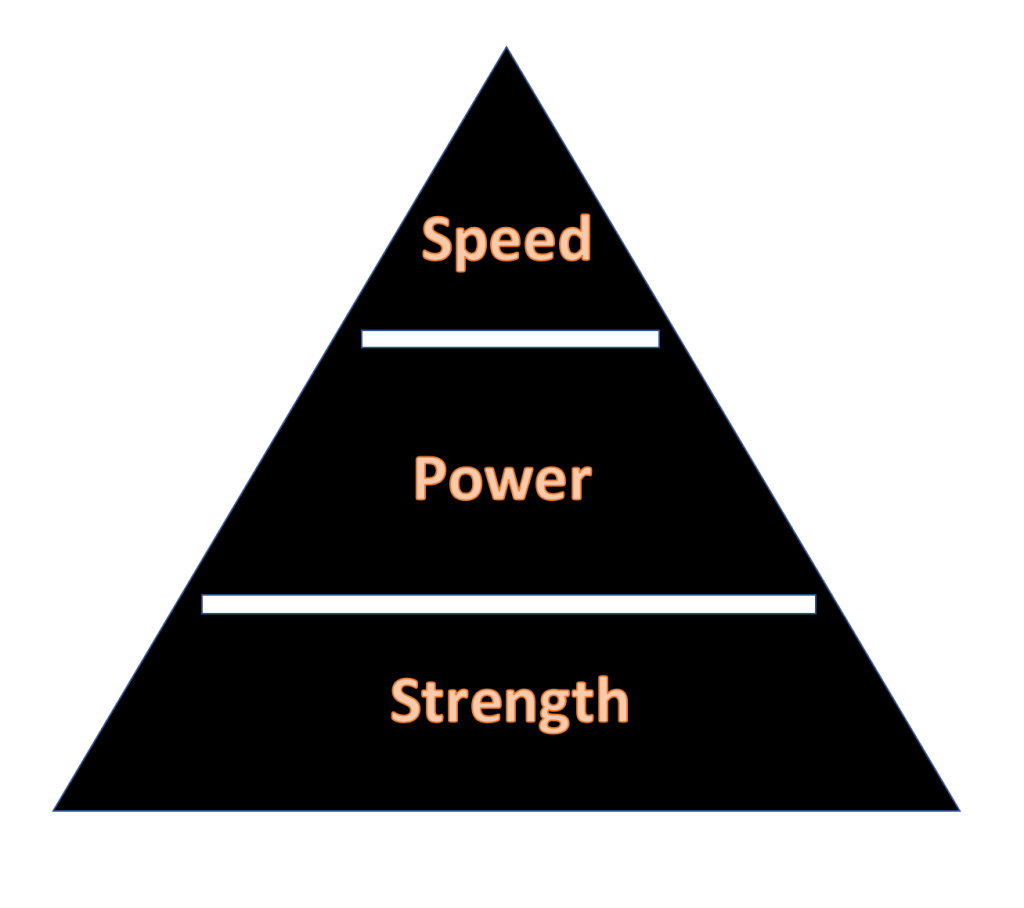
So now that we have a relative idea of how the Force Velocity Curve presents itself in sport, let’s look at how we can use it to develop athleticism.
The Force Velocity Curve itself, like we said, is a visual representation illustrating the inverse relationship between Force & Velocity. The pyramid on the other hand, is more of guide on HOW we should train Force & Velocity. Essentially, we will cycle through each quality to optimize the others with Strength as our foundation. Optimizing force output or establishing a solid 1 rep max in our Strength movements such as the squat, deadlift, bench, & row will allow for our body to perform at a higher level when we begin to transition over to power & speed work.
We will dive into and build off of our Athletic Development Pyramid in later posts, along with training methods, sport demands, and much more. The intent behind these articles is to lay a framework of how we should approach Athletic Development in a punctual and direct way without requiring lengthy reading.
-Train to a Higher Standard-

