Core Strength is debatably one of the most important factors when we are talking about athletic ability. The core/abdomen transfers force up and down the kinetic chain, otherwise known as our body. If you want to run, you need the core. Jump? Core is required for that. Oh what’s that? It’s time to get up and out of bed so that way you can start your day by brewing up a nice cup of coffee? You need core for that too. Alright I think I’ve made my point on how important Core Strength is, but how do we train it?
Anatomy Check
Let’s start off with a quick Anatomy Check so that way we know what we are working with when it comes our core.
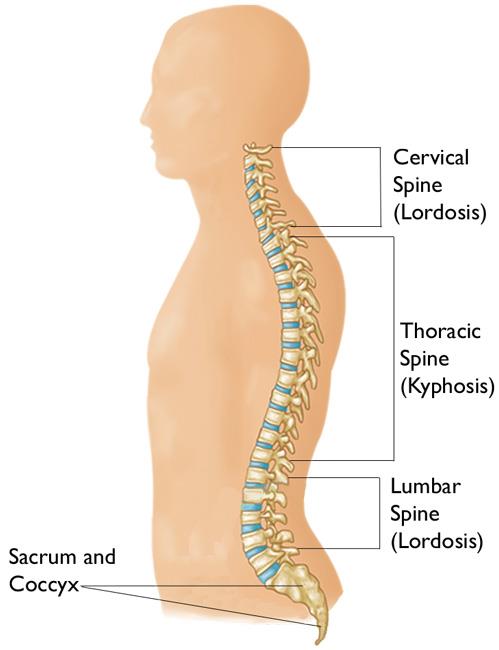
The core is used to essentially maintain posture and protect the spine. We need to consider the natural curvature of the spine, because that is going to come into play when we train core strength and stability. Notice the Lumber Spine Lordosis. The gets exacerbated over time creating what’s called anterior pelvic tilt.
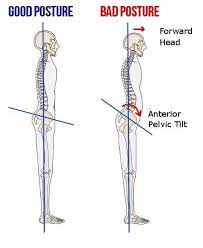
Especially if we have bad posture from a sedentary lifestyle, this anterior pelvic tilt puts the spine in a terrible position; creating pain and movement restrictions through out the entire body.
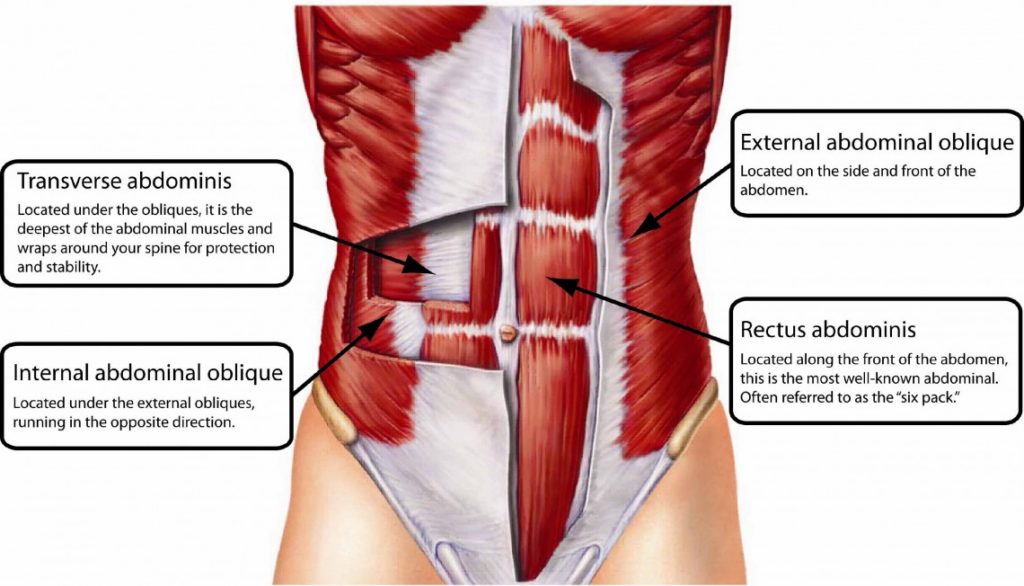
You can see in the picture above, the musculature of the core. Each muscle has a unique task in making sure that we are able to maintain ourselves upright, and stay ready to carry out whatever physical task that is required. Flexion, Extension, Rotation, and Lateral Flexion are several movements required of the core.
Starting with the Plank
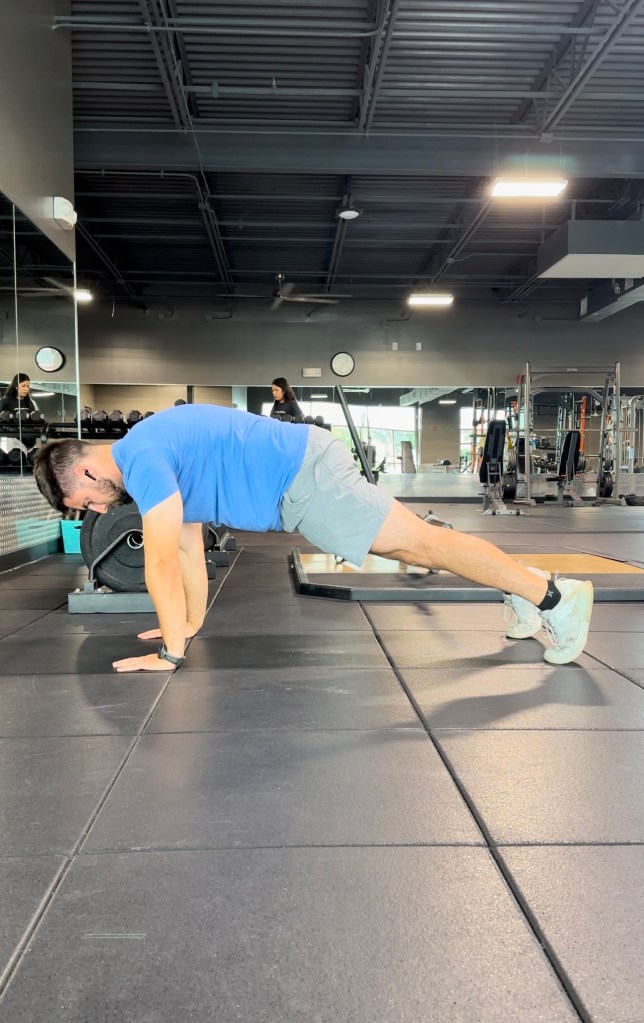
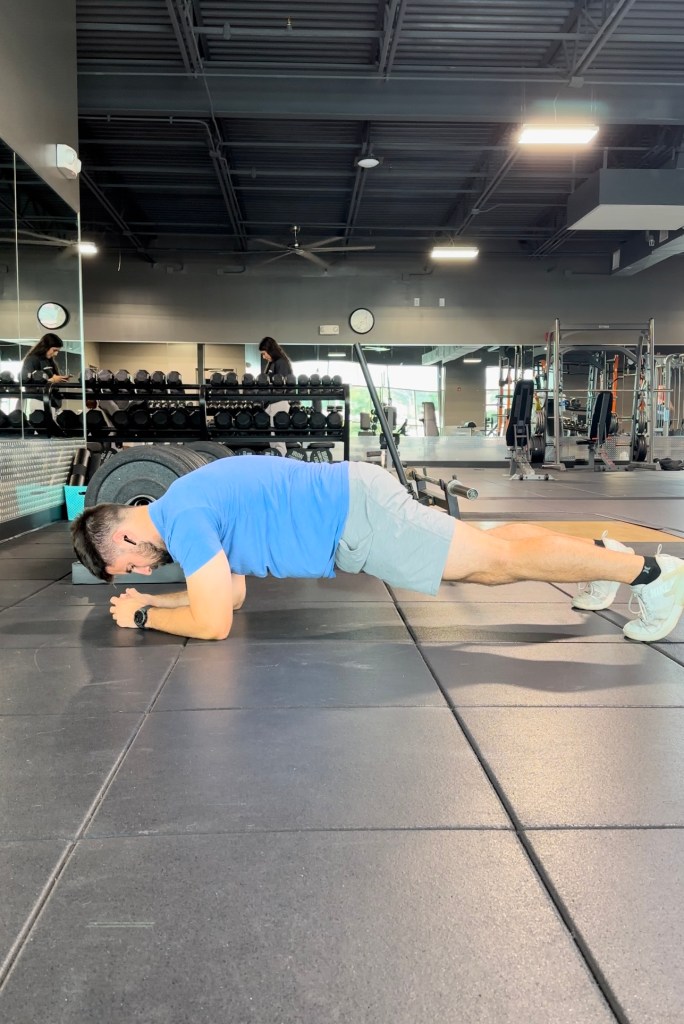
The Plank is a great exercise to train core stability and strength. It’s one of the most popular exercises and although it looks simple, it often times executed incorrectly. In a simple google search for this exercise you will see heads tilt up looking forward, hips sagging towards the ground, and tons of anterior pelvic tilt; putting stress on the low back instead of actually training the musculature that is suppose to support the back and spine!
Coaching cues that I like to use for this exercises consist of:
- Reach: Reach through your shoulders/scaps so that way you are supporting your upper half properly in the plank. Sometimes you will see it where people actually sag down towards the ground in the upper half. We want to make sure that we are supported and protecting the shoulder when we are doing this exercise.
- Tuck: Tuck the hips by scooping them under the spine. You’ll know if you are doing this correctly because you will feel your glutes and core fire. We are working Anti-Extension here, so that would primarily be the Rectus Abdominis working with the glutes.
- Brace: This is the feeling that you will have once the glutes and core are working together via the Tuck cue.
In the video you can see how we should be setting up and what the coaching cues actually look like as you execute the exercise.
We are going to stick with the Plank for today, but we will be diving into other exercises over time. Thank you for stopping by and please feel free to comment, give a thumbs up or even share this post so that we can grow our platform and help others.


Leave a Reply